How to Protect a Car Battery in Winter
To protect a car battery in winter, keep it charged, check its condition, and limit electrical loads when the engine is off. Use a compatible maintainer for a parked car and keep a charged jump starter for emergencies.
On this page (7 sections)
- How do you protect a car battery in winter?
- What should you check before the temperature drops?
- Which charger helps protect a battery in winter?
- What driving habits reduce winter battery strain?
- What should you do if the car won't start in the cold?
- Can you cover or insulate a car battery?
- Which winter battery plan should you choose?
To protect a car battery in winter, keep it charged, check its condition, and reduce electrical loads when the engine is off. A compatible maintainer can help when a car sits for days, while a charged jump starter provides backup if the battery cannot start the engine.
Cold weather can make starting harder, especially when a battery is weak or partly discharged. A few habits can reduce avoidable strain, but they cannot make an old or damaged battery reliable.
How do you protect a car battery in winter?
Start with a charged, sound battery and limit the time it powers accessories with the engine off. If the car will sit for several days, consider a compatible maintainer and follow the car and charger instructions.
Before winter, check the battery case and terminals for damage or corrosion. Make sure the connections are secure, and have a shop check the battery if it cranks slowly, struggles after sitting, or has needed repeated jump starts.
Turn off headlights, cabin lights, heated seats, phone chargers, and other accessories before leaving the car. Short trips may give the charging system little time to replace the energy used to start the engine, so a series of brief drives can leave a weak battery short of charge.
What should you check before the temperature drops?
Check the battery's age, condition, and connections before the first cold spell. A mechanic can check a battery that cranks slowly or has needed repeated boosts.
Look for a swollen or cracked case, damaged cables, or loose terminal connections. Don't touch a damaged battery or try to repair it yourself; ask a qualified technician to inspect it.
Read the owner's manual for the battery location and any special service steps. Some vehicles need a specific procedure when a battery is disconnected or replaced because of their electronics.
A charger won't fix every no-start. If the engine still struggles after the battery is charged, the battery, alternator, starter, or wiring may need attention.
Which charger helps protect a battery in winter?
Choose a charger or maintainer that matches the battery's voltage and chemistry. It can help keep a parked battery charged, but it won't repair a damaged battery or a fault in the vehicle's charging system.
The NOCO GENIUS5 supports compatible 6V and 12V lead-acid and LiFePO4 batteries. Its thermal sensor adjusts charging based on ambient temperature.
The GENIUS5 suits drivers who want one charger for regular charging and maintenance during longer parked periods. Its 5A output also makes it the more practical of these two NOCO options when you want more charging current than a low-current maintainer provides.
Check the vehicle manual before connecting a charger, especially if the battery is hard to reach or has a sensor on a terminal. Set up the charger in a suitable location, connect it as directed, and keep cables clear of moving parts, hot surfaces, and places where they could be pinched.
How to protect a car battery in winter while it is parked
A lower-current maintainer can suit a compatible battery that needs upkeep while the vehicle sits. The NOCO GENIUS1 is a 1A charger and maintainer for compatible 6V and 12V lead-acid and LiFePO4 batteries.
Choose the GENIUS1 if the goal is ongoing maintenance and you don't need the higher current of the GENIUS5. Skip it if you need a faster charge or are trying to solve a deeply discharged battery or vehicle fault.
Use the charger only as directed, with a suitable outlet and a cable setup that stays dry and out of the way. Don't assume every maintainer can remain connected indefinitely; follow its instructions and the vehicle manual.
What driving habits reduce winter battery strain?
Turn off accessories before shutting off the engine, and avoid long idling sessions just to charge the battery. Frequent short trips with many electrical loads can add strain because the charging system has limited time to replace the energy used at startup.
When the car is parked, switch off lights, chargers, and cabin accessories. If you need to run the engine, do it outdoors in a safe location, never in a closed garage.
Keep the battery and terminals clean and dry. If you see corrosion, have it cleaned safely rather than scraping near the battery without proper protection.
For other winter preparations, see what to keep in a winter car emergency kit. Emergency supplies help during roadside delays, while a charger addresses battery upkeep at home.
What should you do if the car won't start in the cold?
Pause and check the symptoms before trying again and again. A slow crank can point to a weak battery, while clicking or no response may have other causes; repeated attempts can drain the battery further.
Turn off accessories and check that the car is in Park or Neutral, as appropriate. If you smell fuel, see smoke, or notice a damaged battery, stop and get professional help.
If the battery seems to be the problem, use a compatible jump starter or call roadside assistance. What to try when a car won't start in cold weather covers safe first checks and signs that the problem may need more than a boost.
Which jump starter suits very cold weather?
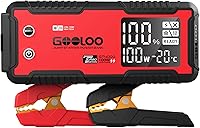
For emergency starts in very low temperatures, choose a unit specified for cold-weather use and compatible with your vehicle. The Gooloo GT4000 Arctic has battery preheating technology and is specified for temperatures down to -40°F.
The GT4000 Arctic suits drivers who face severe cold and want a portable backup with preheating. It supports 12V vehicles and is specified for engines up to 12L gas and 10L diesel, but skip it if you only need to maintain a parked battery; a charger is the right tool for that job.
Keep it charged and inspect the cables before an emergency. Gooloo advises recharging this unit every 6 months to maintain readiness.
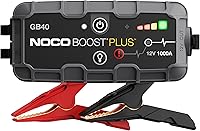
The NOCO Boost GB40 is a compact option for compatible 12V vehicles with engines up to 6.0L gas or 3.0L diesel. Its spark-proof and reverse-polarity protection can help reduce connection errors, but you still need to connect it correctly and follow the vehicle and jump starter instructions.
Choose the GB40 for a smaller emergency unit suited to a car, van, motorcycle, or other compatible vehicle. Check that your engine falls within its stated limits before buying, and keep it charged so it is ready when needed.
For connection steps, follow how to use a car jump starter, step by step. If you don't have access to another vehicle, how to jump start a car without another car explains the options.
Can you cover or insulate a car battery?
Use only a cover or battery blanket made for your vehicle, and follow its fit and installation instructions. An improvised cover won't make a weak battery dependable in freezing weather.
Keep fabric, tools, and other loose items away from terminals. Never place an improvised heater or heat source near a battery, fuel lines, or wiring.
If your car has a factory battery cover, keep it fitted correctly. Ask a mechanic before adding an accessory if the battery is in a tight compartment or the vehicle manual doesn't address it.
Which winter battery plan should you choose?
Choose a maintainer for a car that sits near a safe power outlet, and a jump starter for roadside backup. Check the battery before winter, reduce unnecessary electrical loads, and get repeated no-starts diagnosed instead of treating boosts as routine maintenance.
Pick the GENIUS5 if you want a 5A charger for compatible lead-acid or LiFePO4 batteries and more charging current for regular charging and maintenance. Pick the GENIUS1 if lower-current upkeep during storage is your main need.
For portable backup, choose the GT4000 Arctic if its very-low-temperature rating and engine limits fit your situation. Choose the GB40 for a compact jump starter for compatible vehicles within its stated engine limits.
Keep whichever emergency unit you choose charged and stored as directed. For a wider cold-weather checklist, start with the winter car emergency kit guide, and use how long to leave a jump starter connected for connection guidance.
Frequently asked questions
How do I protect my car battery in winter?
Keep the battery charged, check its condition and connections, and reduce electrical use while the engine is off. If the car sits for long periods, use a charger or maintainer that matches the battery type and follow its instructions.
Keep a compatible jump starter charged and ready for an emergency.
Should I disconnect my car battery in cold weather?
Don't disconnect a battery just because temperatures are low. Disconnecting it can reset vehicle settings, and the right procedure depends on the car.
Check the owner's manual or ask a qualified mechanic, especially if the vehicle has an alarm, electronic controls, or a battery sensor.
Does a battery maintainer help in winter?
A maintainer can help keep a parked vehicle's battery charged when the car sits for long periods. Choose one that supports your battery chemistry and voltage, connect it as directed, and use a suitable outlet and location.
A maintainer won't repair a damaged battery or a charging-system fault.
Can a jump starter prevent a dead battery?
A jump starter doesn't prevent a battery from losing charge. It can provide backup when a compatible vehicle battery won't start the engine.
Keep the unit charged according to its instructions and check its clamps and cables before cold weather.
Diagnose repeated no-starts instead of relying on repeated boosts.